This page covers Divorce Attorney Garden City NY as it applies to divorce and family law in New York. Use this summary as an orientation; the original content below remains unchanged.
Call 516-280-6806 – I believe that YOUR MONEY is better spent on yourself, your children and your future, not on legal fees. Serving Nassau, Suffolk, and Westchester Counties, as well as the five boroughs of NYC
Though sometimes individuals obtain a divorce without legal assistance, if you have children, substantial assets, or will need financial assistance from your spouse once the marriage is dissolved, it is best for you to consult a divorce attorney
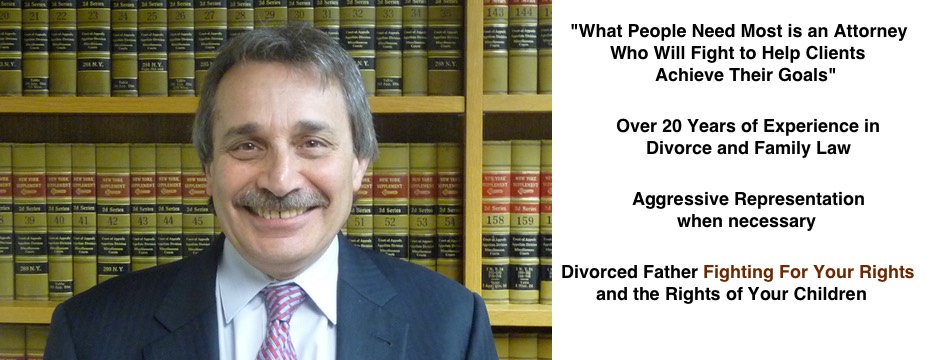
What people need most is an attorney who will fight to help clients achieve their goals. Over 20 years experience in divorce and family law. Aggressive Representation when necessary.
Request a Consultation
Michael A. Cohen is an experienced divorce attorney located in Garden City NY. For many, the field of family law is an interesting and complicated one. Many times a person will have several questions going into court or hearings. It is important to remember that having the correct knowledge early on will save time and avoid costly mistakes. To that end consulting with an attorney experienced in family law such as Michael A Cohen will greatly increase your chances of a favorable outcome.
One major issue that is frequently dealt with is getting an order of protection against a person or multiple people. You are able to get an order of protection against someone that you have a child with, a family member that you are related to by blood or marriage, someone that you were in an intimate relationship with, or a current or former spouse in Family Court.
In Criminal Court, you can get an order of protection against someone with whom you share no relationship. You may apply for an order of protection in both courts at the same time. Your children may also be covered by the order of protection. If you are asking for the order of protection, you would be called a petitioner, while the person who you are getting the order of protection against is the respondent. In Criminal Court, the respondent would be called a defendant instead.
The affidavit of service must be filed to show that the respondent or defendant was told about the case. Both of the parties have the right to an attorney, and the order of protection that would be drawn up will likely ask for the person or persons to not contact you through telephone, email, or letters, not to go to your job, residence, etc., not to harass, threaten, menace, or commit crimes against you, and to be removed by police from your place of residence. If you miss your court date, your temporary order of protection may be thrown out, and in Family Court if either the petitioner or respondent is absent, a warrant for his or her arrest will be issued. If the order of protection is violated, the person whom violated it may be subject to jail time or probation.
Child custody may be broken down into legal custody and residential custody. New York can’t make orders regarding the child’s custody and visitation once that child turns eighteen. Sole “legal” custody is when only one makes all major decisions concerning the child, concerning health care, religion and education. Joint custody is where both parents make the above mentioned major decisions. While people can agree to “joint” legal custody, courts rarely order it, unless the parents have shown the ability to put aside their differences for the benefit of their child.
Courts make “residential” custody determinations based on the “best interests” of the child based upon a number of factors, which include, but are not limited to which parent has historically been the primary caregiver for the child, each parent’s mental and physical health, any history of domestic violence, parenting skills, the parents’ work schedules, the relationship of the child to other members of the family, the wishes of the child, and the cooperation of the parents. Another factor courts consider in making custody determinations is which parent is more likely to encourage a relationship between the child and the other (non custodial) parent.“Family law is an area of law which requires the ability of an attorney to smooth over disagreements or tension between parents, strong negotiating, and if necessary, strong litigation skills –
skills that are possessed Michael A. Cohen.”No. New York recognizes no‑fault divorce based on an irretrievable breakdown of the marriage for at least six months. Fault grounds still exist, but most cases proceed on no‑fault.
It depends on issues like children, property, and cooperation between spouses. Uncontested matters may resolve in months; contested cases can take longer due to discovery, motion practice, and court schedules.
Uncontested cases may be handled mostly on paper. Contested matters often require conferences, depositions, or hearings. Your attorney will manage court appearances and briefing.